What does feinherb mean on a German wine label?
Feinherb means off-dry, roughly: the producer’s own word for wine around halbtrocken, not a legal sweetness level. What it means in the glass.
UVA Import · 15 August 2026 · 2 min read
Feinherb is made up of "fein" (fine) and "herb" (tart, not sweet), and is used for wine around off-dry. The word is not in German wine law. Trocken and halbtrocken are legally defined, down to the gram of residual sugar per litre (see the limits here). Feinherb is the producer's own word, and says the wine sits in the borderland around off-dry, with the sweetness balanced by the acidity.
Sweetness is not the same as sweet
It is easy to read "off-dry" as "sweet wine for people who don't like wine". That gets it backwards. A Mosel Riesling carries a lot of acidity, and a few grams of residual sugar are not decoration: the sweetness rounds off the acid without the wine losing its freshness. The result often reads as juicy rather than sweet. Try a feinherb next to a trocken from the same producer and you will hear what the sugar does: it softens the sternness and lifts the fruit.
This is also why feinherb works so well with food that is hard on dry wine. Chilli and spice amplify both acidity and alcohol. A little residual sweetness absorbs the blow. Asian food, shellfish with heat, blue cheese: this is feinherb territory.
Feinherb in our selection
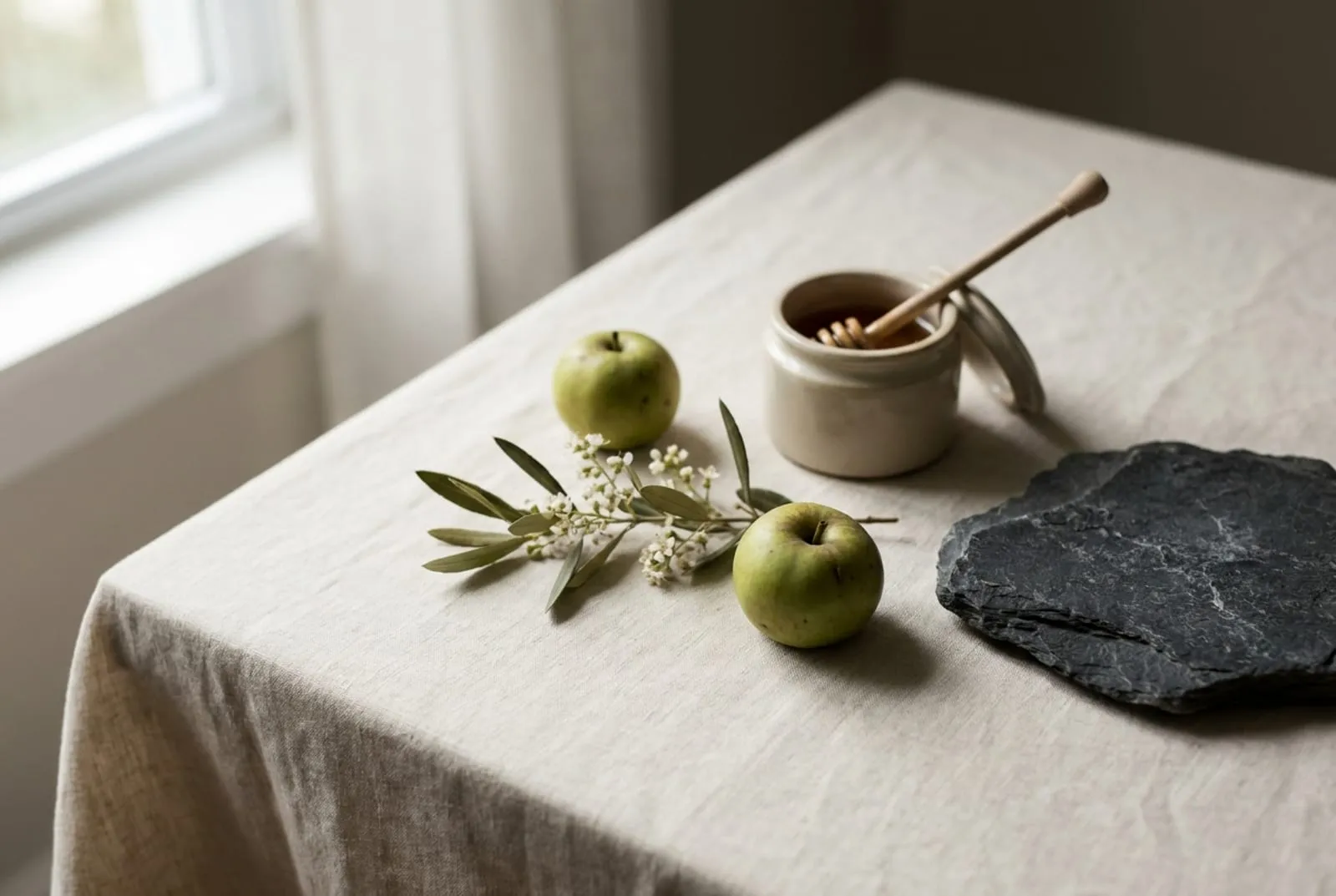
Brauneberger Kammer Feinherb from Paulinshof is a Spätlese feinherb from the Kammer vineyard in Brauneberg, owned outright by the Jüngling family. The site has history: Thomas Jefferson tasted wine from here in 1788 and noted its quality in his diary. The wine sits at 11.5% alcohol, with green apples, citrus and a hint of honey.
You will find it in our white wine selection, available through Vinmonopolet's ordering range.
In short
Feinherb is not a legal category but a signal from the producer: wine around off-dry, with the sweetness balanced by the acidity. The full label dictionary is in our guide to German wine labels, and why "Spätlese" does not mean sweet is in our article on Kabinett.