Sparkling
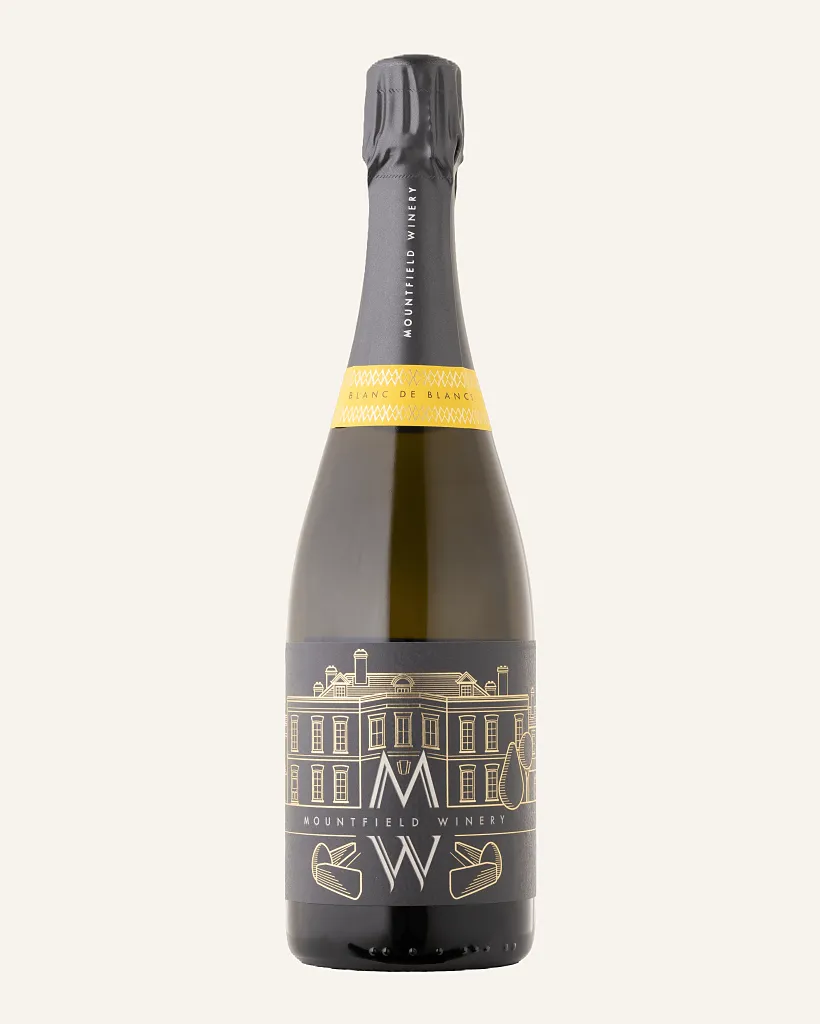
East Sussex · England
Blanc de Blancs
NOK 650 at Vinmonopolet
Sparkling from Paulinshof (Riesling sekt from the Mosel) and Mountfield (English sparkling from East Sussex). Both made by the traditional method with extended lees ageing.
East Sussex · England
NOK 650 at Vinmonopolet
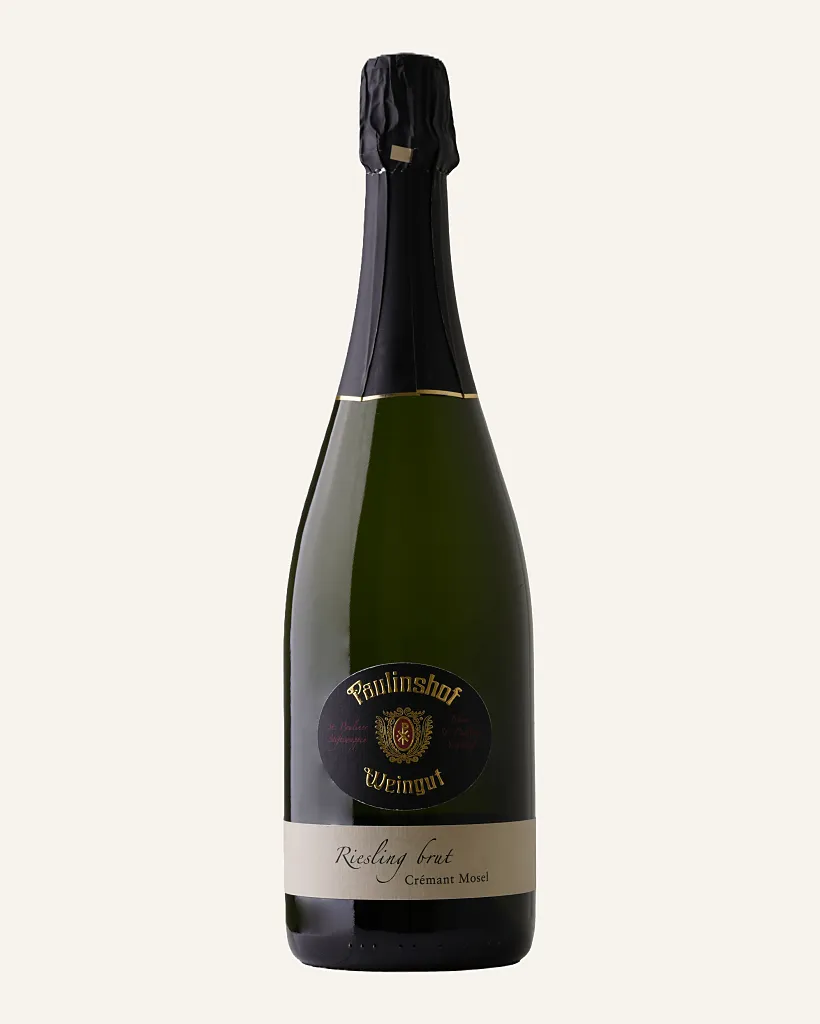
Mosel · Germany
NOK 391 at Vinmonopolet
East Sussex · England
Coming soon
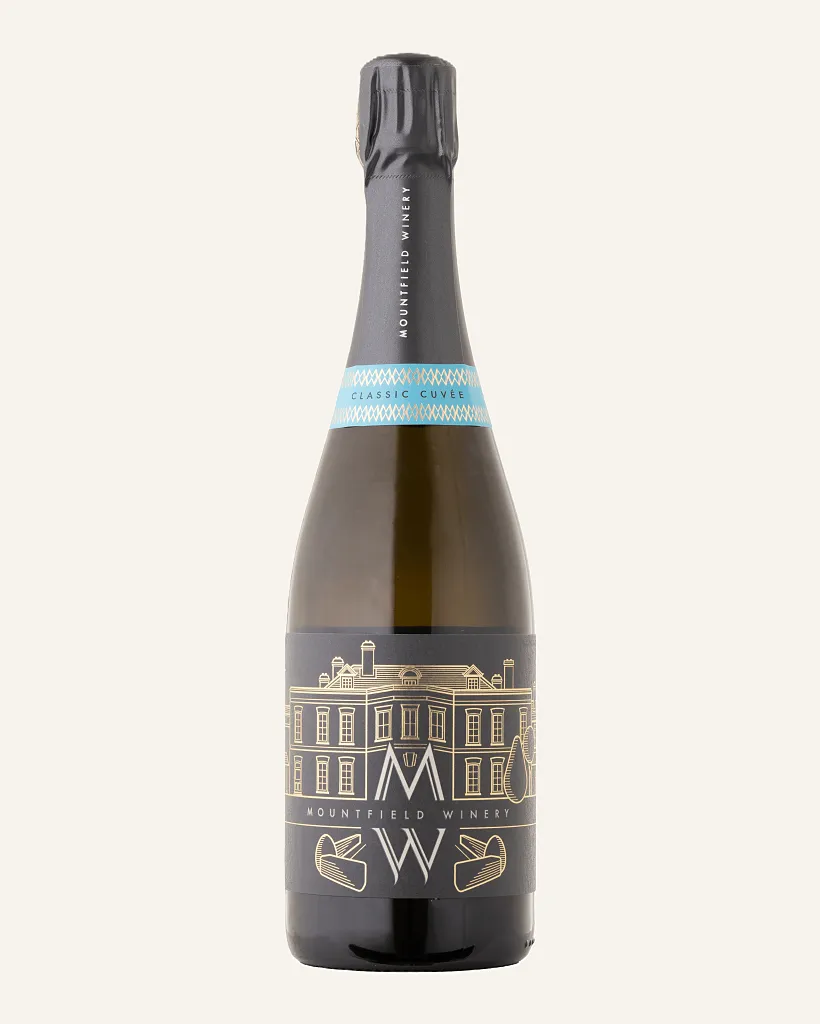
East Sussex · England
NOK 622 at Vinmonopolet
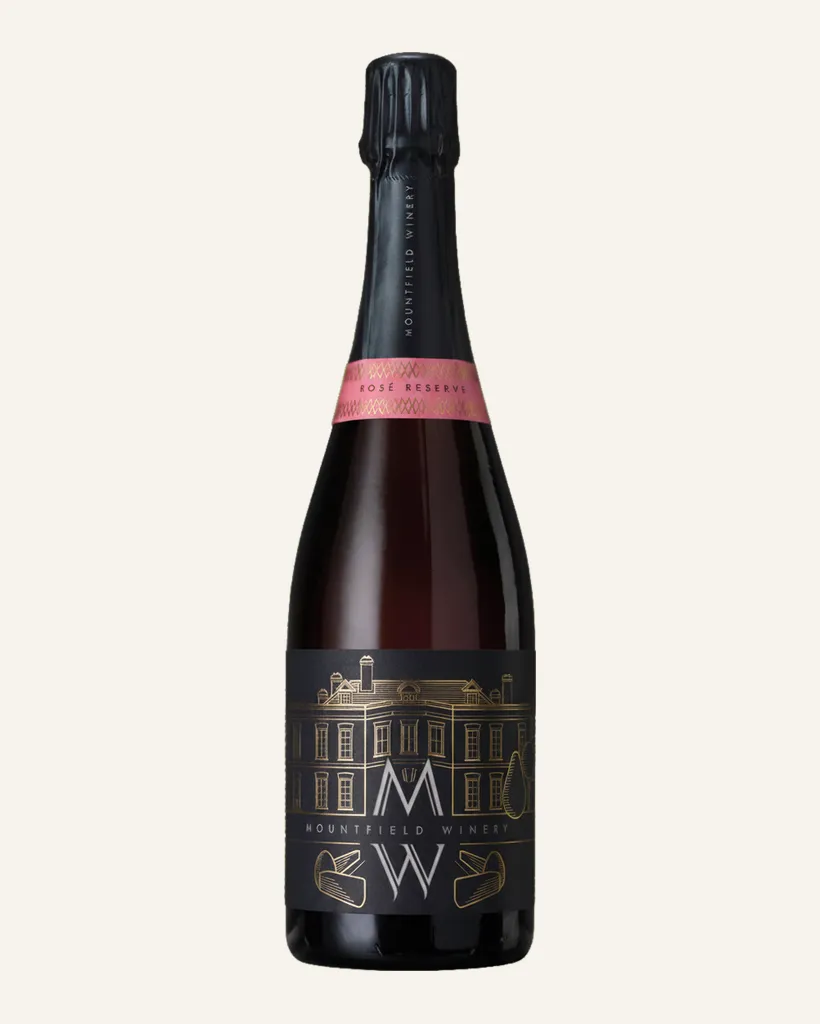
East Sussex · England
Coming soon
Sekt is simply the German word for sparkling wine. On its own it says nothing about method or quality, so the rest of the label is what matters.
What counts is how the bubbles got there. Traditional method, often written Flaschengärung or Méthode Traditionelle, means the second fermentation happens in the bottle you buy, and the wine then rests on the lees for months or years. That is the same process used in Champagne. The alternative is tank method, where fermentation happens in a large tank and the wine is bottled under pressure. It is faster and cheaper, and gives a more fruit-driven style.
Time on the lees is what produces brioche, bread and nuts. Those aromas do not come from the grape, they come from dead yeast cells breaking down in the bottle. A sekt with three years on the lees tastes fundamentally different from one with three months.
Brut is the sweetness level, not the method. It means under twelve grams of residual sugar per litre, which is dry. Brut and Sekt describe two different things, and the two words usually sit side by side on the same label.
Riesling sekt is a German speciality that barely exists elsewhere: the same high acidity as in the still wine, with bubbles and lees character on top. English sparkling goes the other way and uses the classic Champagne grapes in a climate close to Champagne's own.
A letter for wine friends about everything happening in the world of wine. From producers and districts to wine recommendations for the season's dishes.