Red wine
Mosel · Germany
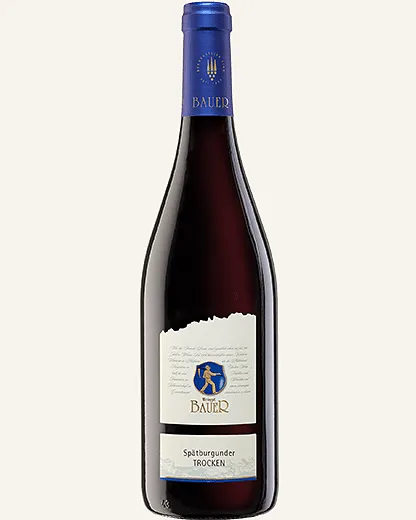
Spätburgunder Trocken
NOK 298 at Vinmonopolet
Spätburgunder from Bauer in the Mosel, as red and rosé, and Frauenberg from Engel in Rheinhessen. Pinot Noir from a cool climate.
Mosel · Germany
NOK 298 at Vinmonopolet
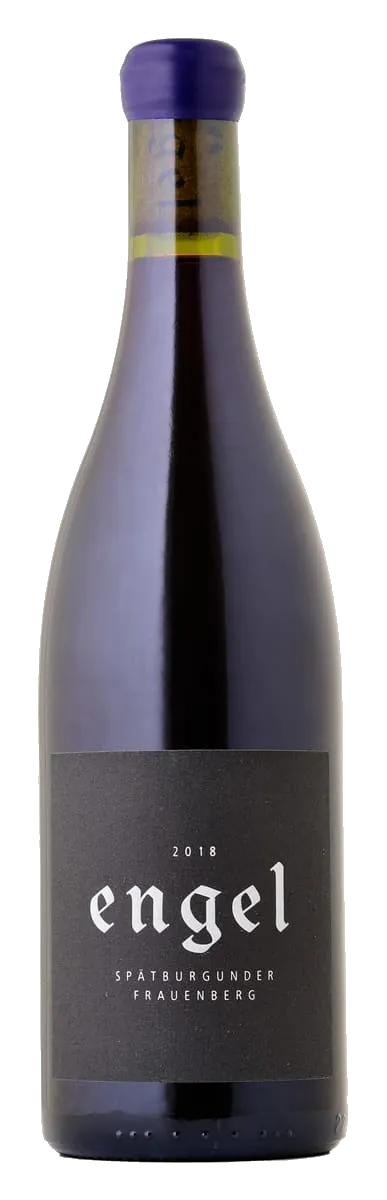
Rheinhessen · Germany
Coming soon
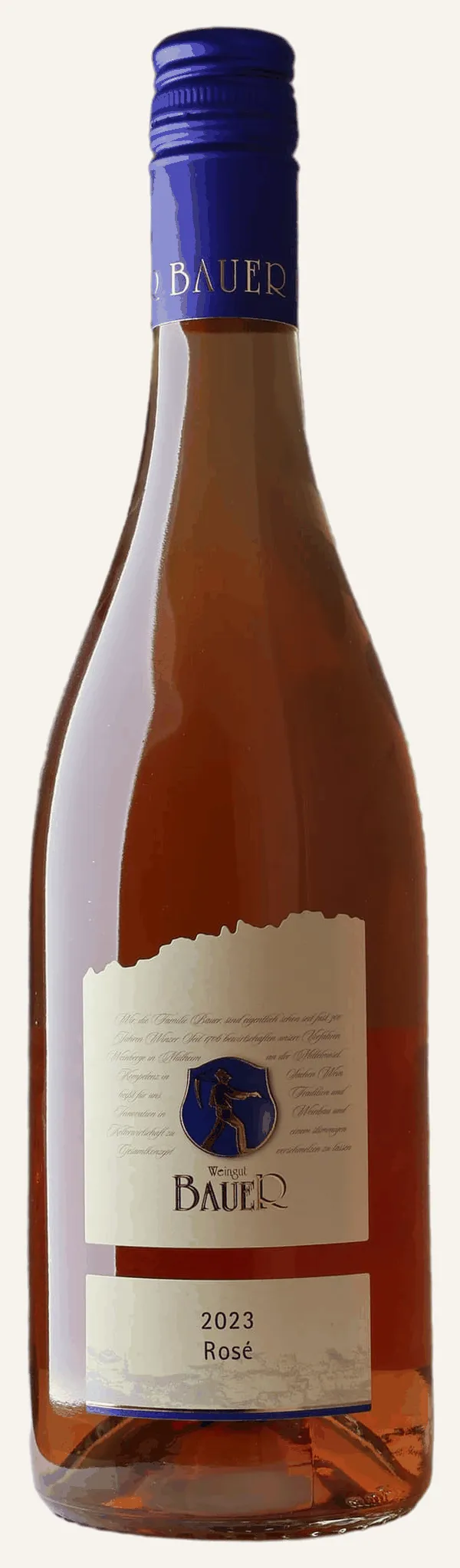
Mosel · Germany
NOK 299 at Vinmonopolet
Spätburgunder is the German name for Pinot Noir. It means "late Burgundian", after its late ripening. You will see it spelled three ways depending on the keyboard: Spätburgunder, Spatburgunder and Spaetburgunder. It is the same grape, and on a German red it is almost always the one on the label.
Germany is the third largest producer of Pinot Noir in the world, after France and the United States. That is not widely known, partly because the grape goes by another name there.
A cool climate gives lighter body, higher acidity and more red fruit than Pinot Noir from warmer places, with alcohol usually between eleven and thirteen per cent. Served lightly chilled, around sixteen degrees, the fruit comes through more clearly.
In the Mosel, Spätburgunder grows in the same slate as Riesling. Bauer in Mülheim, a family estate since 1706, ferments the reds the classic way on the skins and ages them for a year in oak. Spätburgunder Trocken is the dry red, and Spätburgunder Rosé Trocken is the same grape with brief skin contact.
Frauenberg from Engel in Rheinhessen comes from a classified single vineyard of loess, marl and limestone, a completely different soil from the slate of the Mosel.
At the table, Spätburgunder is the red for dishes that would otherwise get a white: salmon and trout, duck, mushrooms, and meat that is not too heavy.
A letter for wine friends about everything happening in the world of wine. From producers and districts to wine recommendations for the season's dishes.