White wine
Mosel · Germany
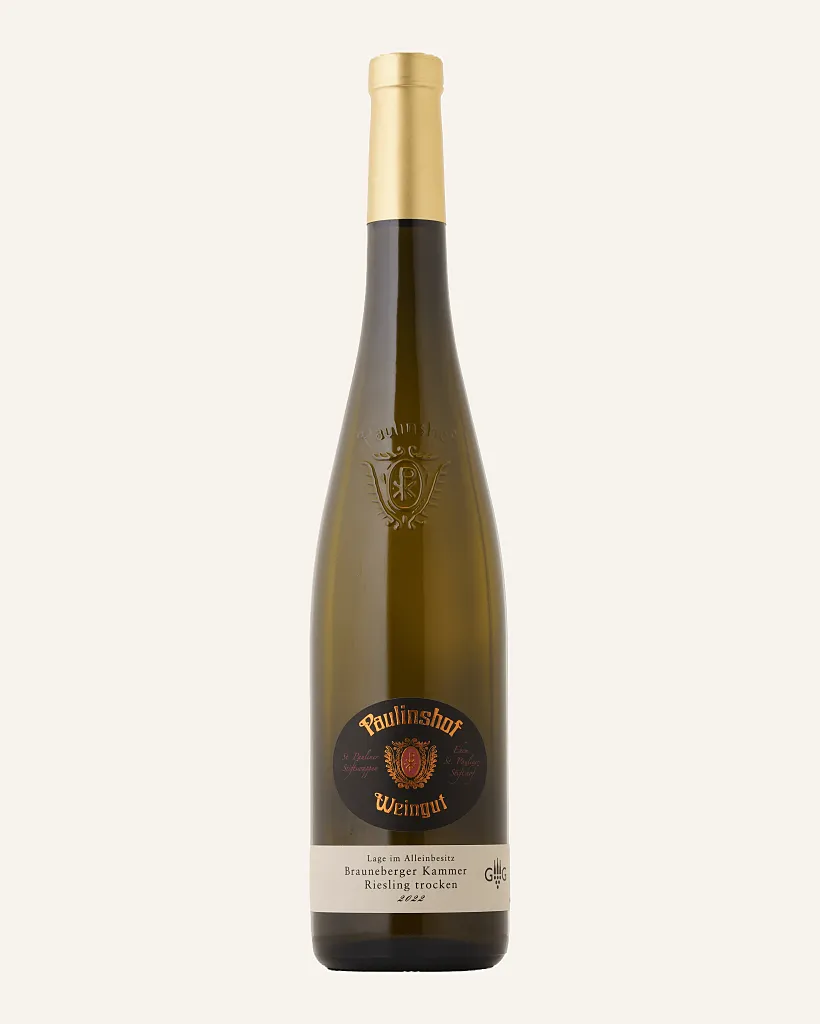
Brauneberger Kammer GG
NOK 482 at Vinmonopolet
Riesling from Paulinshof and Bauer in the Mosel, and from Engel in Rheinhessen. Dry, off-dry and sparkling, from slate and loess.
Mosel · Germany
NOK 482 at Vinmonopolet
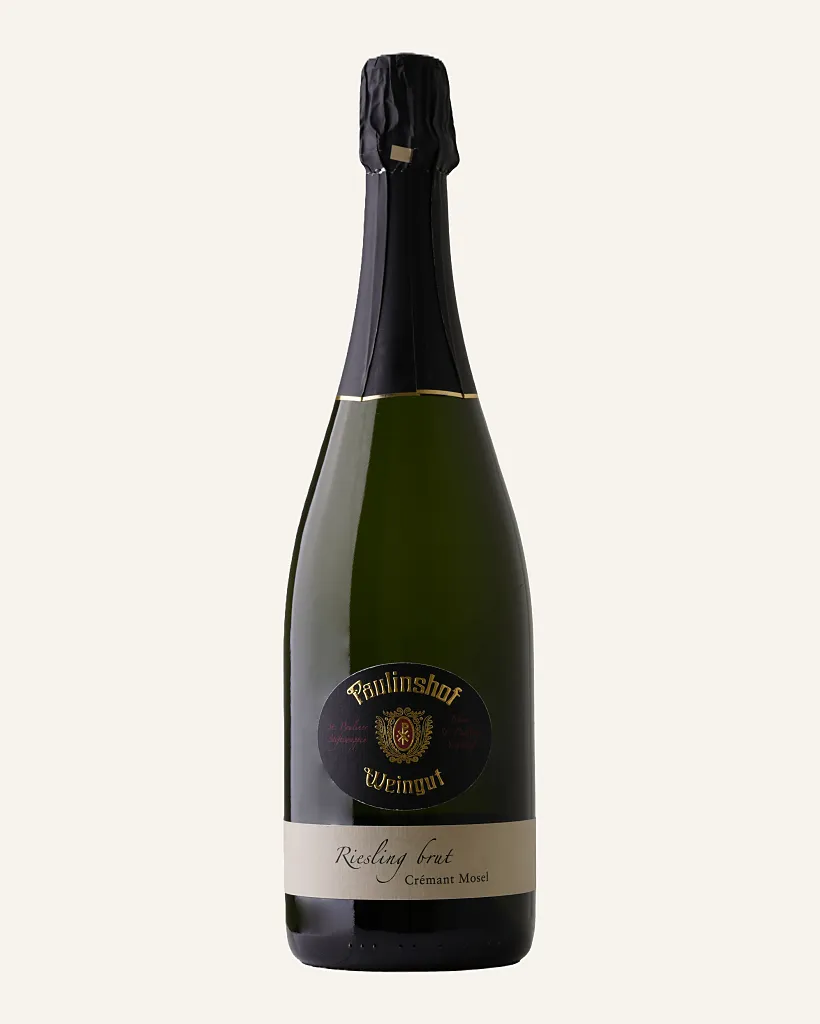
Mosel · Germany
NOK 391 at Vinmonopolet
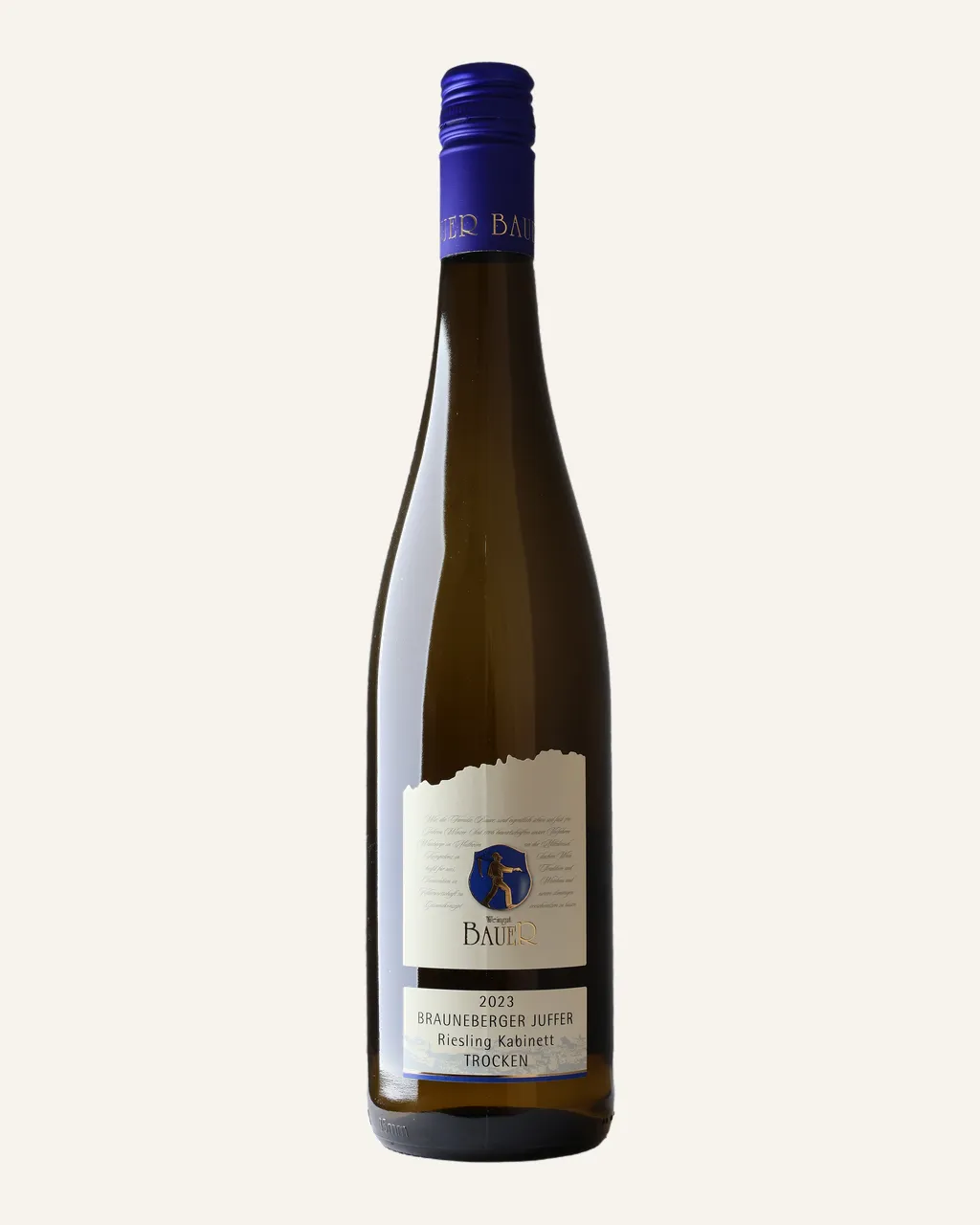
Mosel · Germany
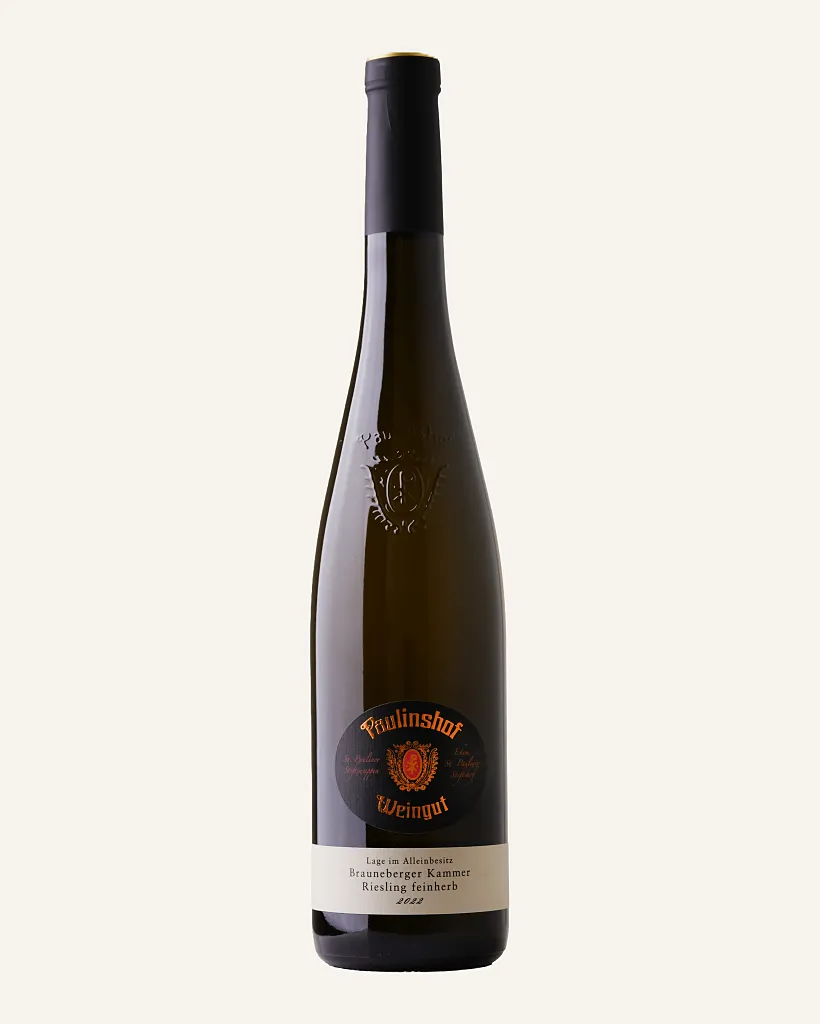
Mosel · Germany
NOK 424 at Vinmonopolet
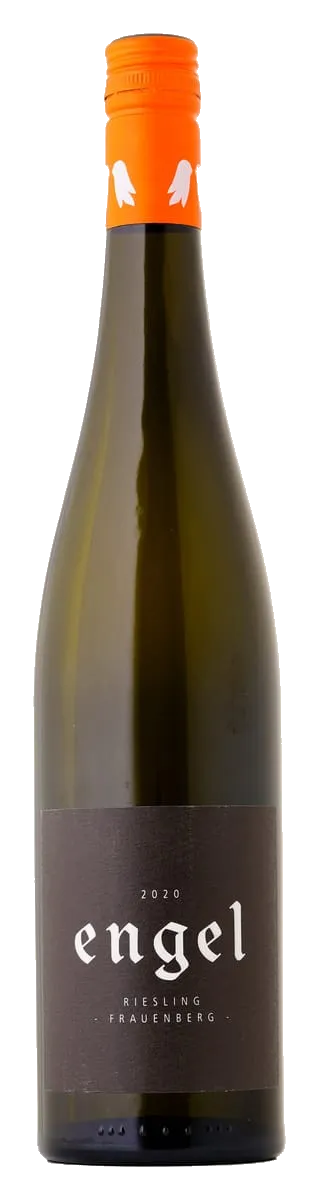
Rheinhessen · Germany
Coming soon
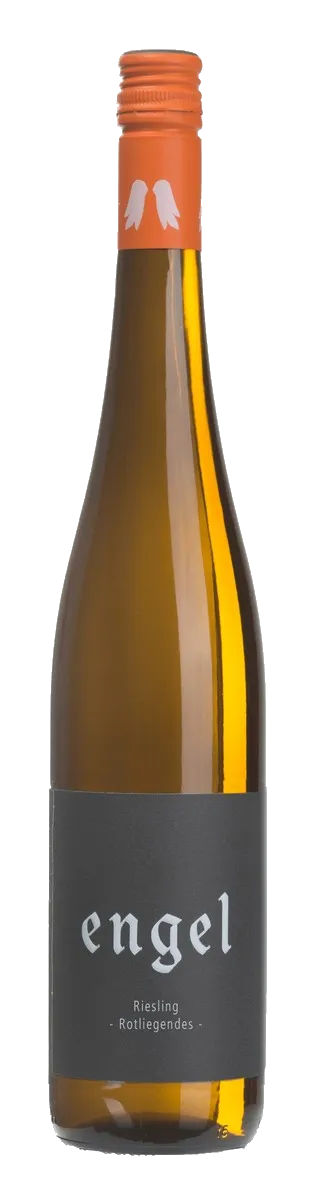
Rheinhessen · Germany
Coming soon
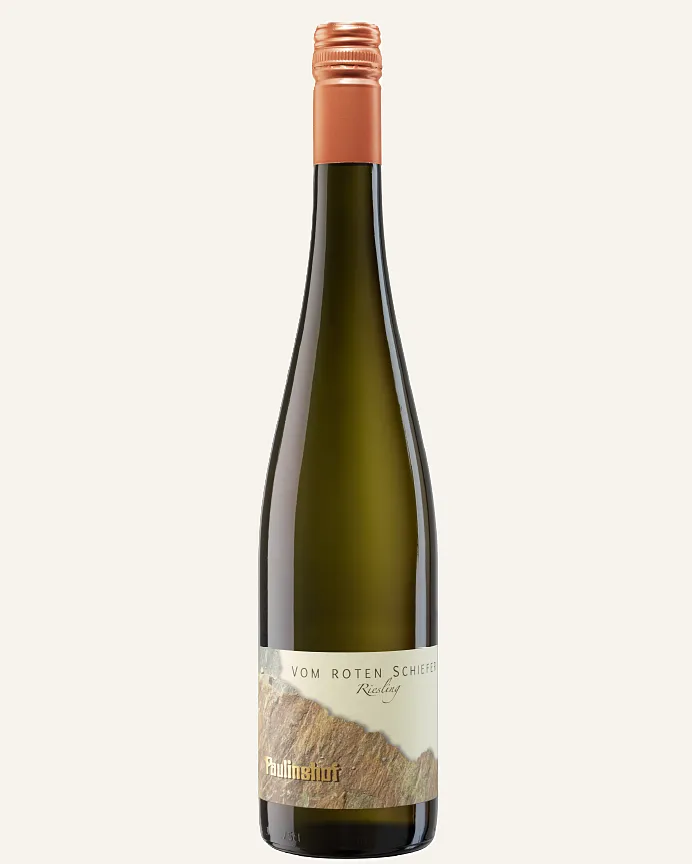
Mosel · Germany
NOK 299 at Vinmonopolet
Riesling is the grape that carries every level of sweetness, because its acidity keeps the wine fresh however much sugar is left. It is also why the label on a German Riesling carries more words than most wines: sweetness is rarely given as a number, it is given as a word, and the words are not translated.
Trocken means dry: under nine grams of residual sugar per litre, and in practice it tastes dry because the acidity absorbs the sugar. Feinherb and halbtrocken sit just above, with a touch of sweetness that balances the acidity rather than making the wine sweet. That is the style many people are actually after when they ask for a "dry" white to go with spicy food.
Kabinett and Spätlese say nothing about sweetness at all. They describe how ripe the grapes were at harvest, meaning how much sugar was in the berry before fermentation started. A Spätlese can be bone dry, and a Kabinett can be sweet. That is why they often appear alongside trocken or feinherb on the same label.
Grosses Gewächs, abbreviated GG, is dry wine from a classified single vineyard. It corresponds roughly to French Premier or Grand Cru, and describes the site rather than the sweetness.
The Rieslings in the selection come from Paulinshof and Bauer in the Mosel and from Engel in Rheinhessen. In the Mosel the vines grow in slate, on steep south-facing slopes along the river, and the wines take on the taut style of citrus and wet stone. Rheinhessen, further east on the Rhine, has loess, marl and limestone, and gives a rounder Riesling.
The styles from the Mosel: dry Kabinett from the Juffer at Bauer, dry Riesling from red slate at Paulinshof, Grosses Gewächs from the Brauneberger Kammer, a vineyard Paulinshof owns outright, off-dry Spätlese feinherb from the same site, and traditional-method Riesling sekt brut.
Dry Riesling is served cold, around eight degrees, with fish, shellfish and sushi. Off-dry and feinherb handle spice and acidity in food better than most dry whites, and are what many people really mean when they ask for a "dry" white with Asian food.
A letter for wine friends about everything happening in the world of wine. From producers and districts to wine recommendations for the season's dishes.