
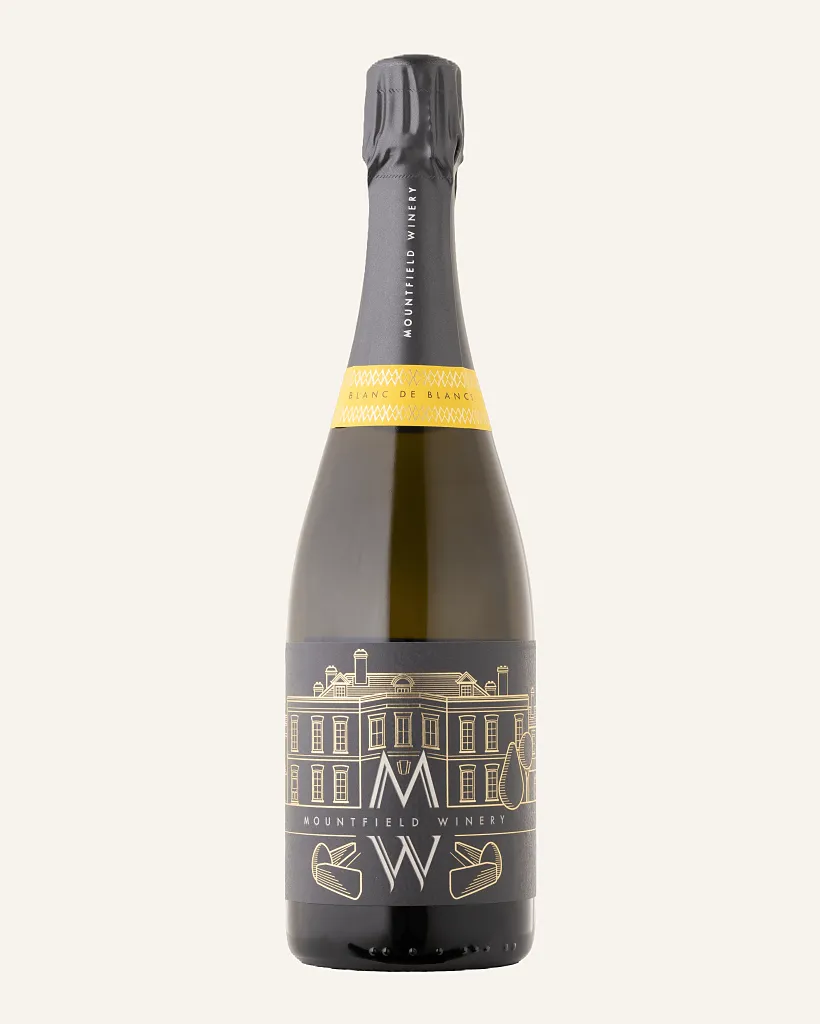
Sparkling
East Sussex · England
Blanc de Blancs
NOK 650 at Vinmonopolet
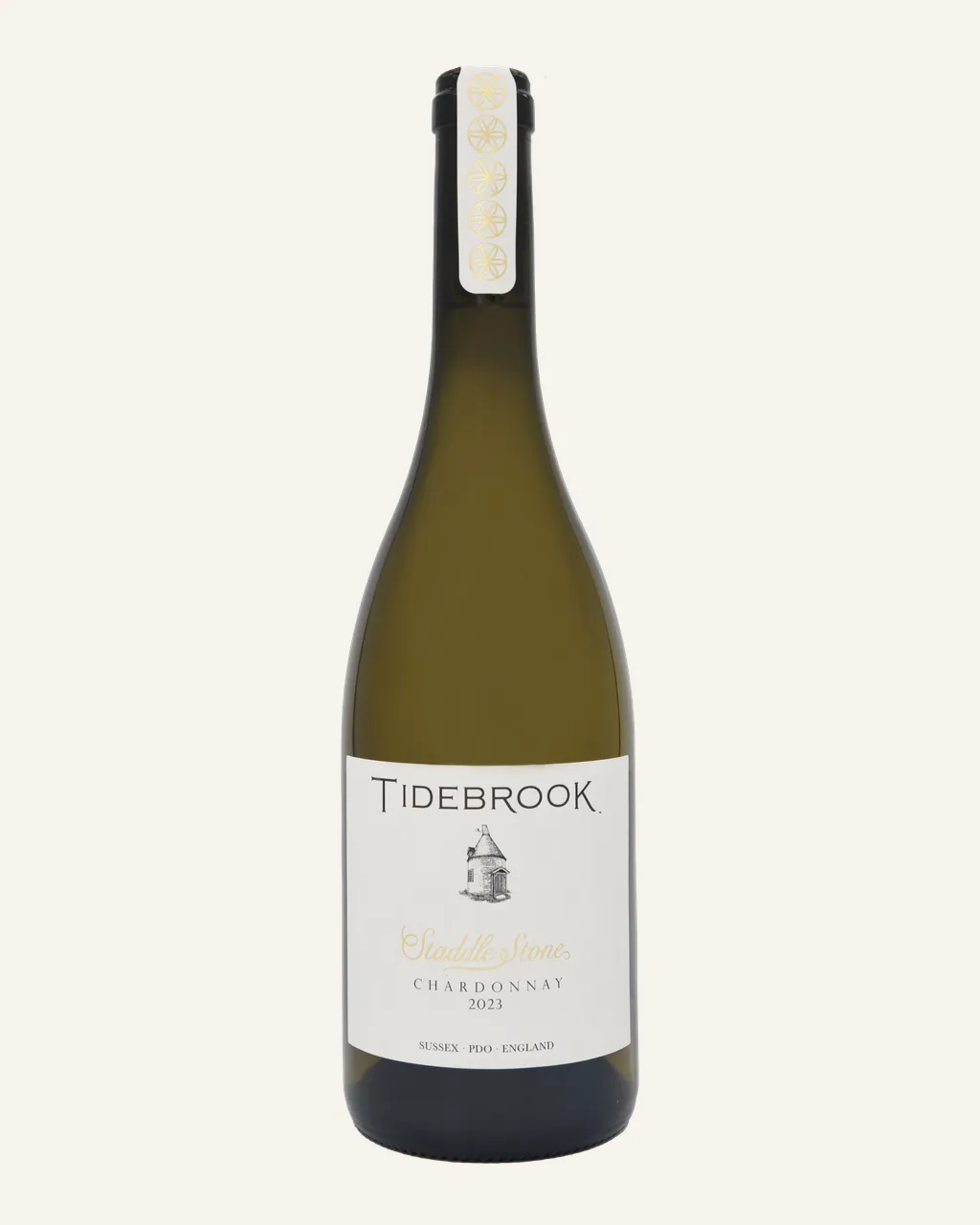
The English wines come from East Sussex: traditional-method sparkling from Mountfield, and still wines and rosé on Pinot grapes from Tidebrook.
East Sussex · England
NOK 650 at Vinmonopolet
East Sussex · England
NOK 550 at Vinmonopolet
East Sussex · England
NOK 550 at Vinmonopolet
East Sussex · England
Coming soon
East Sussex · England
NOK 622 at Vinmonopolet
East Sussex · England
NOK 452 at Vinmonopolet
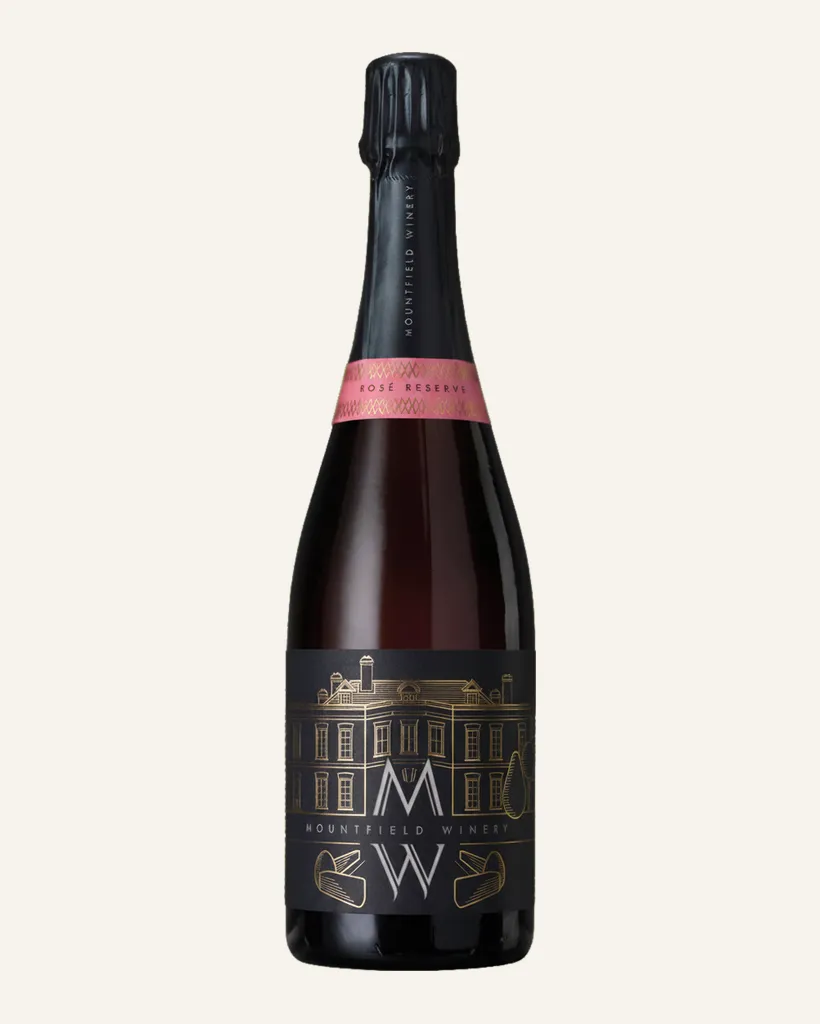
East Sussex · England
Coming soon
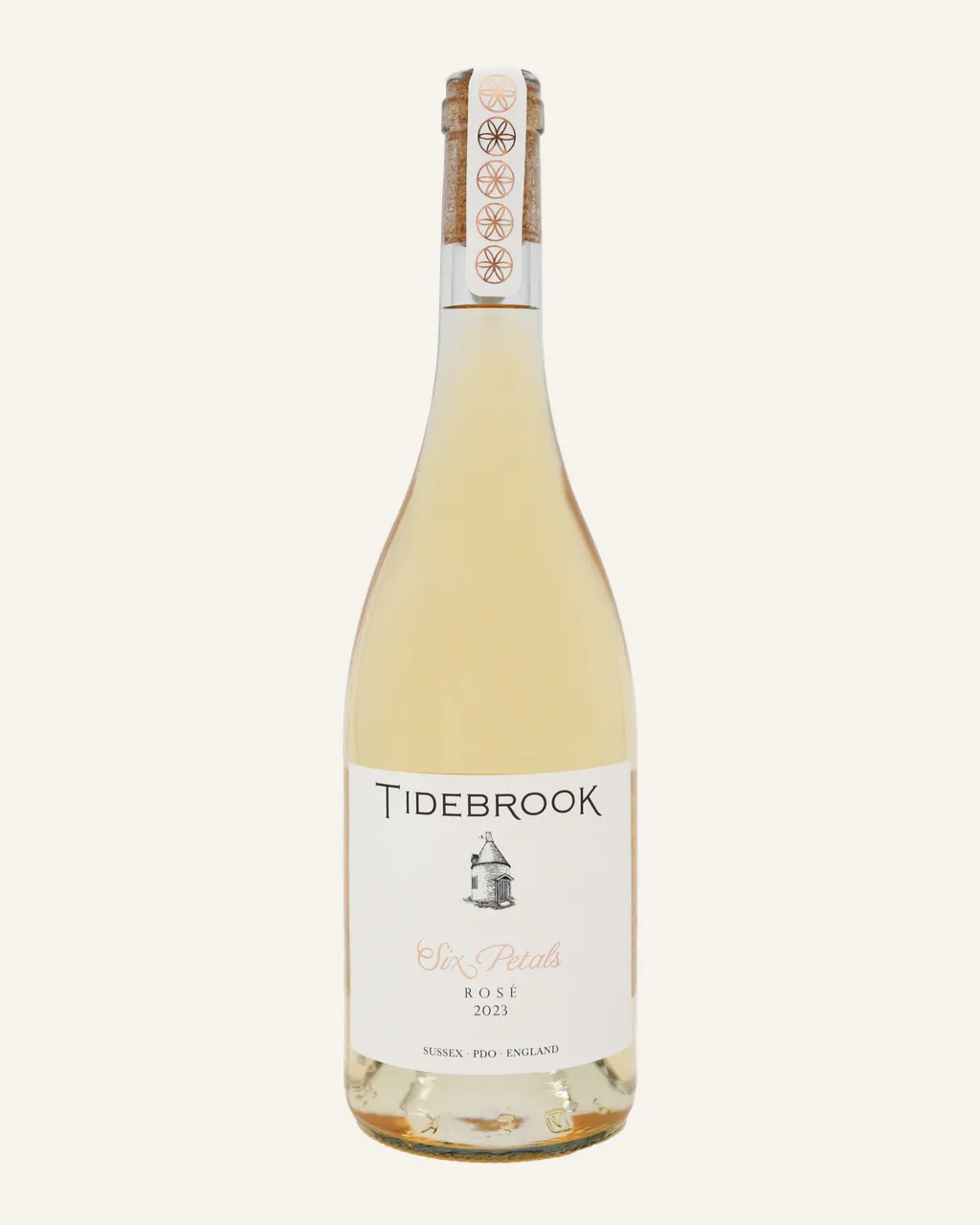
East Sussex · England
NOK 350 at Vinmonopolet
Vines have grown in England before, under the Romans and in the medieval monasteries. What is new is that the wine holds up internationally, and that comes down to three things: warmer summers, the right grapes, and people who invested heavily enough to wait for the result.
The vineyards are in the south-east, mainly in Sussex and Kent. Sussex received its own protected designation of origin in 2022.
The explanation you hear most often is that southern England shares the chalk formation that runs under Champagne. That holds for parts of the area, but not everywhere. Both of our East Sussex producers sit on sandstone: Mountfield on greensand and clay over sandstone, Mousehall on sandstone, greensand and clay.
Sparkling came first, for a logical reason: a cool climate gives high acidity, and high acidity is exactly what a good base wine for the traditional method needs. Mountfield plants the three Champagne grapes and gives the wines years on the lees.
Still wine is the harder step, because the grapes then have to ripen fully without losing their acidity. Only in recent years has English still wine been taken seriously. Tidebrook's Chardonnay took Platinum and 97 points at the Decanter World Wine Awards 2026, the first English still chardonnay to do so.
A letter for wine friends about everything happening in the world of wine. From producers and districts to wine recommendations for the season's dishes.